
Top 6 Hamstring Release Techniques
How to know if you may need to address the Hamstring Muscles:
- Posterior pelvic tilt
- Inability to touch toes
- Hamstring strain
- Lower back, hip, or knee pain
- Sacroiliac joint dysfunction
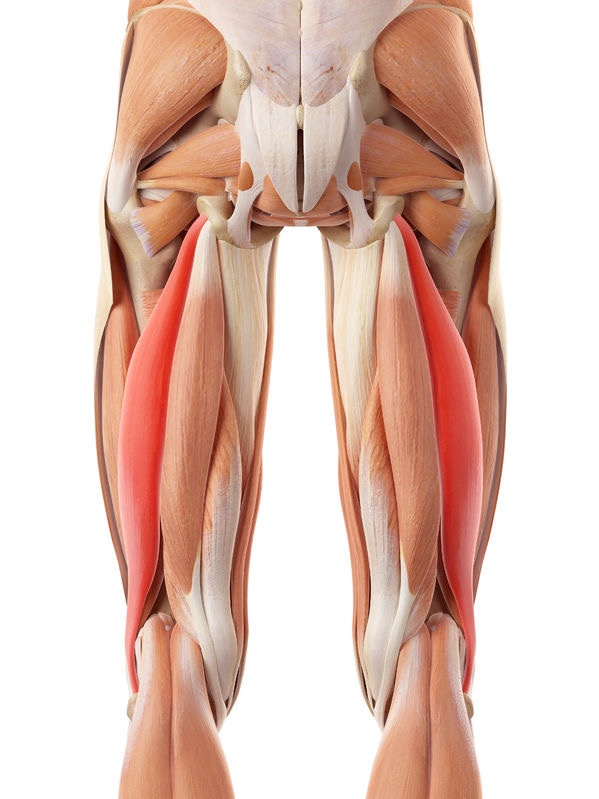
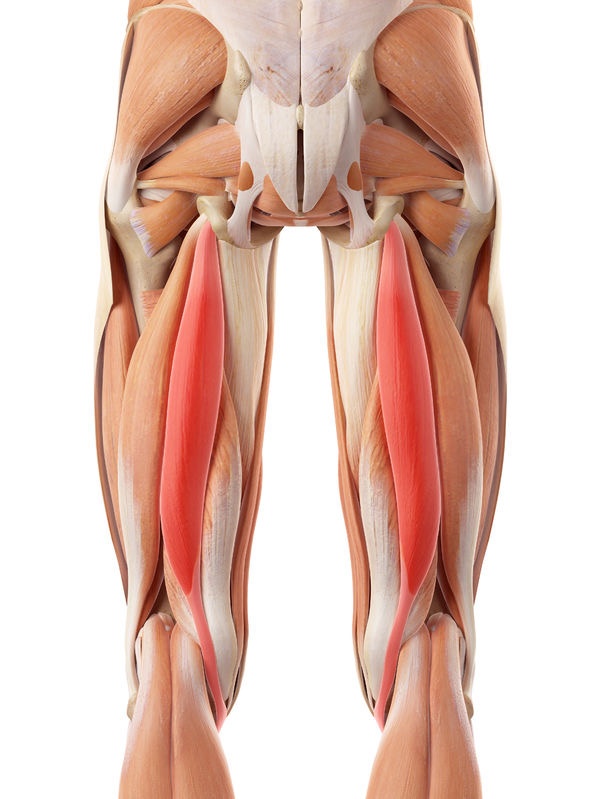
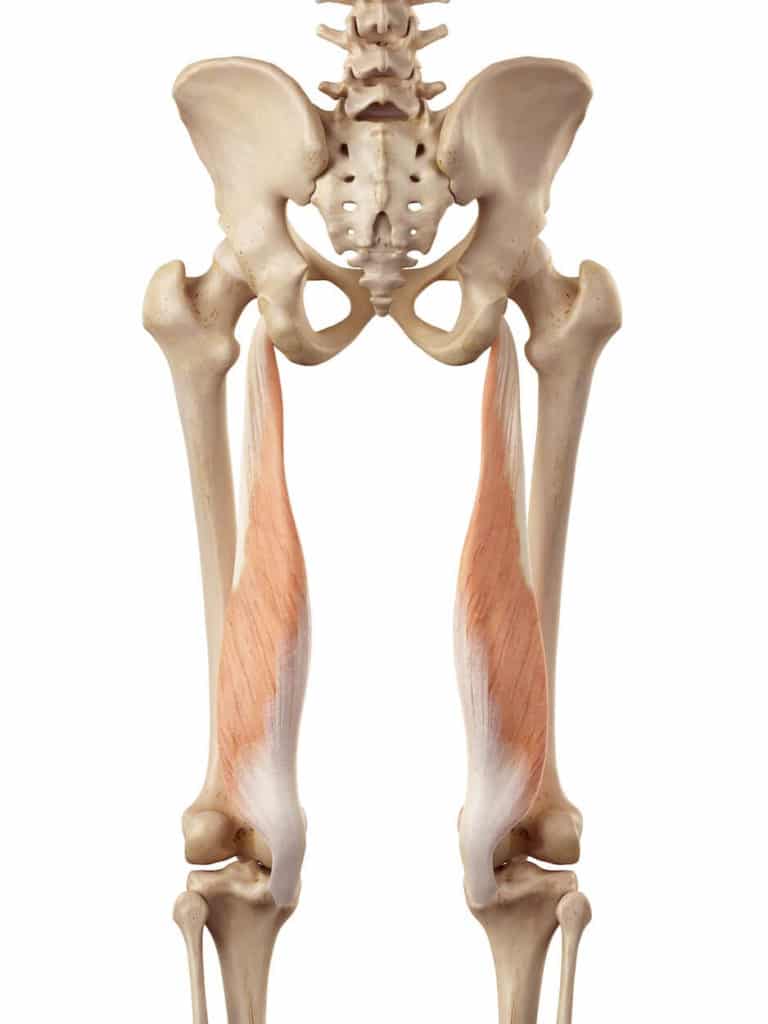
The hamstring muscle group consists of 3 muscles: Biceps Femoris, Semitendinosus, and Semitendinosus.
The most common finding in assessment to determine the need for hamstring stretching is inability to touch the toes, or the presence of posterior pelvic tilt in the standing position.
If these are found to be positive, then these hamstring release techniques may be utilized.
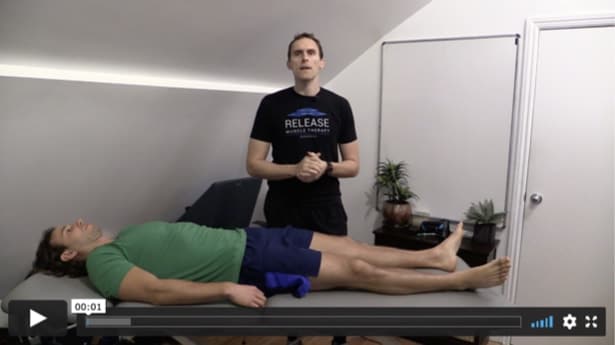
Are Your Hamstrings REALLY Tight?
How do you know if your hamstrings are actually tight, or if they just “feel” tight?
It may surprise you to know that hamstring flexibility tests are often misinterpreted. Watch the video to see how to properly assess hamstring length.
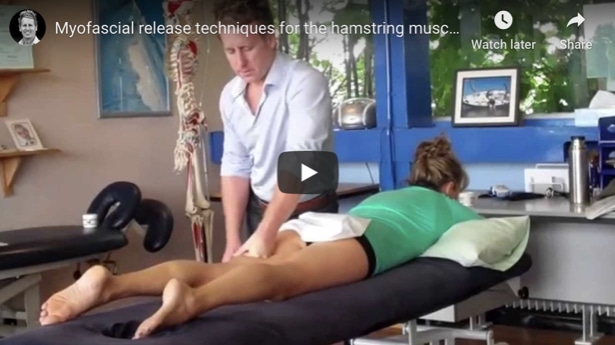
Hamstring Massage Therapy Release Technique
The hamstrings as a whole are fairly easy to treat when using an elbow or fist contact, however, isolating each hamstring can be challenging due to the thick, ropey-type element to the muscles.
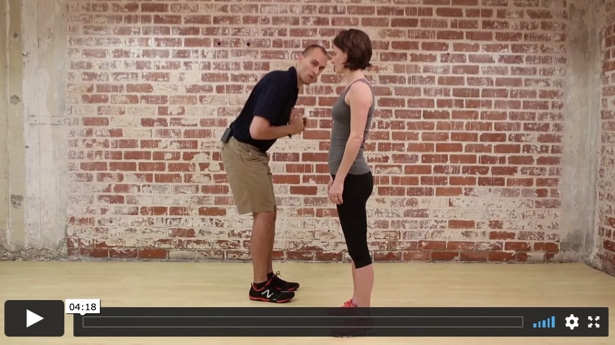
Hamstring Stretch – Waiters Bow
The waiter’s bow stretch is one of best options for stretching the hamstrings because it has the added benefit of teaching how to bend from the hips instead of rounding the lower back.
In addition, this strategy will transfer to movements like deadlifts and traditional back extension exercises.
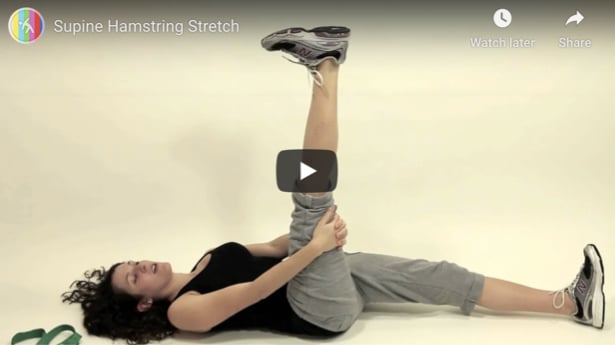
Hamstring Stretch – Supine Hip at 90 Degrees + Knee Extension
The supine hamstring stretch is an excellent option for applying the muscle energy technique called reciprocal inhibition. This technique works by activating the opposite muscle/s of the one you want to stretch. Specifically in this example, you will activate your quadricep muscles to inhibit your hamstrings.
This will allow for a greater stretch through neurological inhibition of the hamstrings!
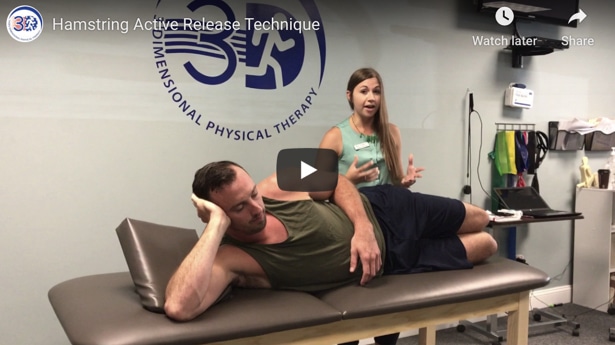
Hamstring Active Release Technique
Active release technique is a proprietary soft tissue therapy technique that can be effective for hamstring work. This video shows a great demonstration.
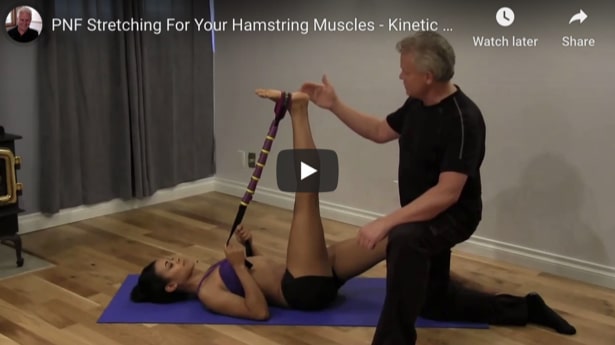
Hamstring Release Techniques – Post Isometric Relaxation (PNF version)
Post-isometric relaxation is another form of muscle energy technique that allows for achieving a greater range of motion than just stretching can accomplish alone.
By moving the hamstrings toward the stretch position, contracting them with a low level effort for 8-10 seconds, followed by a short rest (2-5 seconds), you will be able to move your hamstrings to a greater degree into the stretch.
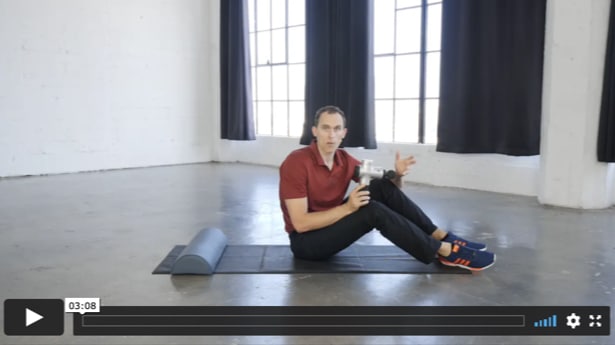
Hamstring Release – Percussion Therapy Tool
Percussion massage tools (<- affiliate link) are becoming more popular and for good reason. They can assist with improving results with massage therapy work, as well as self-myofascial release.
This technique combines reciprocal inhibition of the hamstrings (through quadricep activation) with percussion to the hamstrings to assist with relaxation.
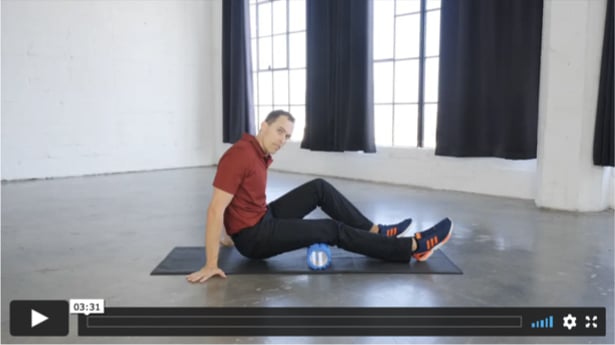
Hamstring Release – Foam Roller Self-Massage
Self-massage for the hamstrings is easily do-able with a standard foam roller. The goal is to roll with a light-moderate level of discomfort that allows you to comfortably work on the tissues.
When you find areas that are particularly tender, hold those points for 10-15 seconds, then move to another area.
Continue this process until you treat the areas that you can access effectively.