

The Top 4 Techniques for Psoas Muscle Release
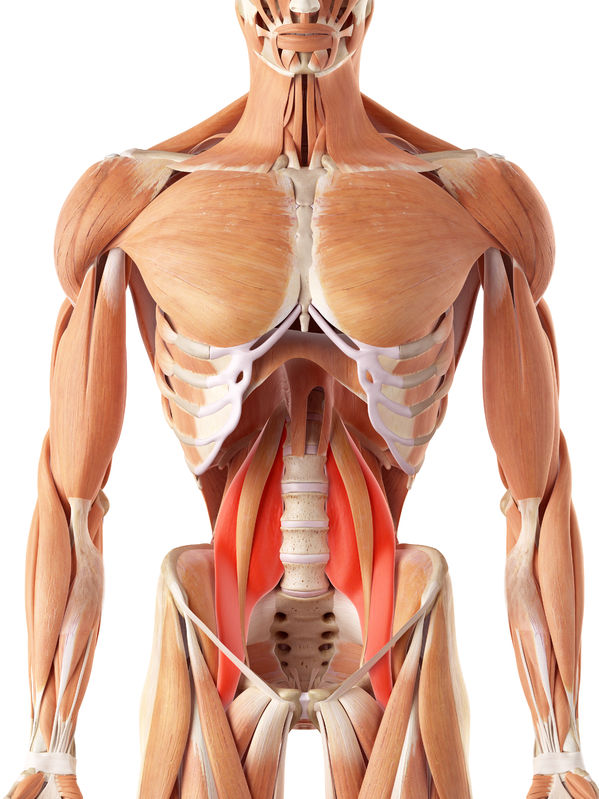
The psoas muscle is a highly emphasized, but often misunderstood muscle in the hip flexor group. Its often associated with lower back and hip pain or impingement, and postural imbalances such as anterior pelvic tilt.
Proper hip flexor assessment is necessary to identify tightness in this muscle, and if its found to be restricted, then targeted psoas muscle release techniques can be applied.
Psoas Release – Post-Isometric Relaxation Technique
Post isometric relaxation (PIR) is a technique that involves a low-intensity contraction of a muscle for a short duration, immediately followed by a stretch.
When this technique is used for hip flexor stretching on a massage table, you can take advantage of gravity for the activation of the muscle (lifting up) and also assistance during the stretch phase.
Psoas Release – Reciprocal Inhibition Technique
Reciprocal inhibition (RI) technique involves contracting the muscles on the opposite side of the muscle that is lengthened/stretching.
This technique is excellent for restoring normal tone in the opposing muscles, as well as improving coordination and strength.
Psoas Release – Massage Technique
Massage techniques, when applied by a skilled therapist, can free up difficult-to-access areas of the hip flexors.
Psoas Stretch – Kneeling Hip Flexor Stretch
Self-stretching of the hip flexor group can also be accomplished with the Kneeling Hip Flexor stretch. Depending on the amount of bend of the knee, this stretch may emphasize much more of the quadricep muscle (Rectus Femoris) than the psoas, but it works very well for the overall goal is reducing hip flexor tension.